Roll Credits: The Kids Who Grew Up on Filters Are Paying Real Money for Grain
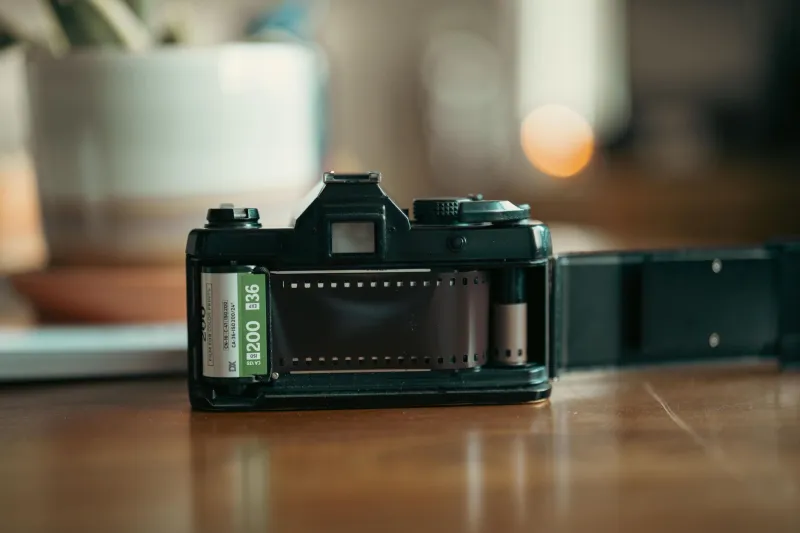
There's a moment happening in camera shops across America that would have seemed absurd fifteen years ago: a twenty-year-old who has never known a world without Instagram plunking down forty bucks for a used Canon AE-1 and a three-pack of Kodak Gold.
They're not buying it as a prop. They're shooting it. And then they're paying again — per roll — to get it developed.
The Economics of Going Backwards
Let's talk numbers, because the film revival isn't just vibes. Digital photography, once you own the device, is essentially free. You can take 4,000 pictures of your lunch and delete 3,999 of them without a second thought. Film flips that equation. A roll of Portra 400 runs around $20. Development and scanning at a lab? Another $15 to $18, depending on where you live.
That's roughly $35 for 36 frames. About a dollar a shot.
And yet sales of 35mm film have climbed steadily since 2020, with Kodak reopening production lines and smaller players like Cinestill and FPP building devoted followings. The used film camera market has gotten so hot that thrift stores have caught on — the $5 yard sale Pentax is basically extinct.
So why are young people voluntarily paying a dollar per photo for worse image quality by every technical measure?
Friction Is the Feature
The digital-native generation didn't abandon film despite the inconvenience. They came for it.
When every phone photo gets automatically enhanced, sorted, and fed through computational photography that smooths skin, brightens shadows, and guesses what you meant to shoot, the act of taking a picture starts to feel manufactured. Film offers the opposite: a process you can't shortcut.
You get 36 chances. You can't check the back of the camera. You wait days for the lab — or you mix chemicals in your bathroom sink at midnight, which a surprising number of them do.
That waiting changes how people shoot. Ask anyone who picked up a film camera after a decade of digital and they'll tell you the same thing: you slow down. You think before you press. The scarcity isn't a bug; it's the whole point. Every frame costs something, so every frame means something.
Imperfection as a Signature
Here's the part that should make algorithm engineers nervous. The aesthetic qualities that once made film obsolete — grain, halation, unpredictable color shifts, light leaks — are precisely what's driving demand.
Digital perfection has become generic perfection. When every image is optimized toward the same clean, bright, high-dynamic-range ideal, images stop looking like anything at all. They look like the algorithm's idea of a photo.
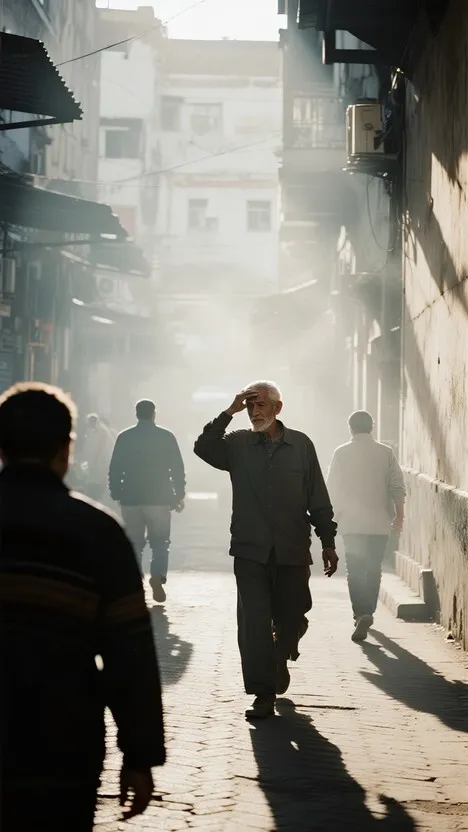
Film, by contrast, has texture. Portra renders skin tones a certain warm way. Cinestill 800T drags neon into smeary red halos that look like a rainy night in any American downtown. Grain adds physicality that no Instagram filter has convincingly faked. These aren't flaws to these photographers — they're a fingerprint. In a feed where everything is smoothed into sameness, visible grain says a human was here.
The Little Guys Keeping the Lights On
The revival's unsung heroes aren't the camera companies. They're the labs.
A decade ago, one-hour photo counters were vanishing from drugstores at a rate that looked like a eulogy for the medium. What's replaced them is something smaller and stranger: independent labs run out of storefronts in Portland, garages in Austin, and strip malls in New Jersey. Places like Memphis-based Fotoplus-style shops, New York's iconic labs, and dozens of mom-and-pop operations that survived the lean years by servicing a handful of loyal shooters.
These labs are now booked out for days. Some have added mail-in services, education workshops, and darkroom rentals. A new generation of lab techs — many of them younger than the equipment they operate — has emerged as the analog economy's backbone. Every roll they develop is a small vote against the idea that photography should be instant, infinite, and free.
What the Grain Is Really Saying
Strip away the nostalgia and the thrift-store camera romance, and something more interesting is happening. This generation isn't rejecting technology — they invented the selfie. They're rejecting uniformity.
Film photography in 2025 is a creative statement dressed up as a hobby. It says: I choose the version of the image a machine didn't optimize. I accept the frame even when it's blurry, off-color, or half-exposed, because that's where the truth lives.
Every frame tells a story — and sometimes the story is that nobody was in charge except the person holding the camera. That's worth a dollar a shot.