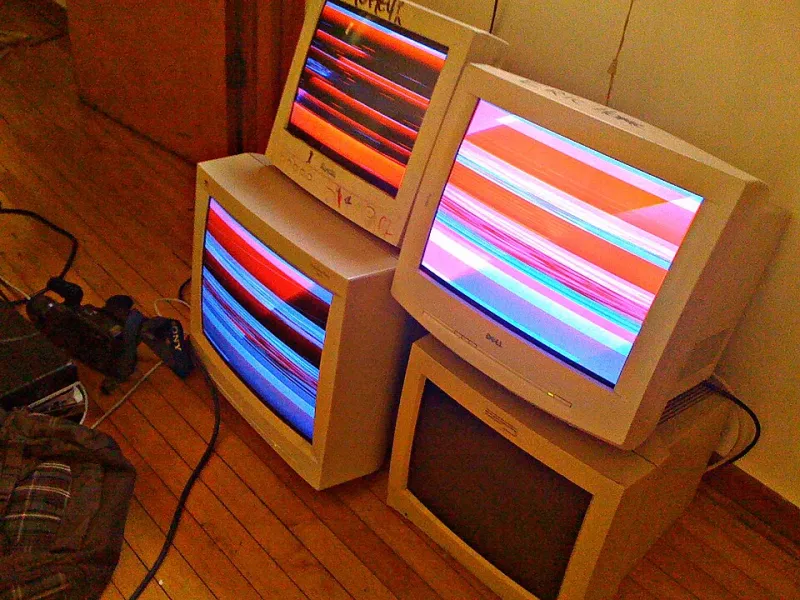
Tape Hiss and Truth: Inside the Race to Save America's Attic Full of Memories
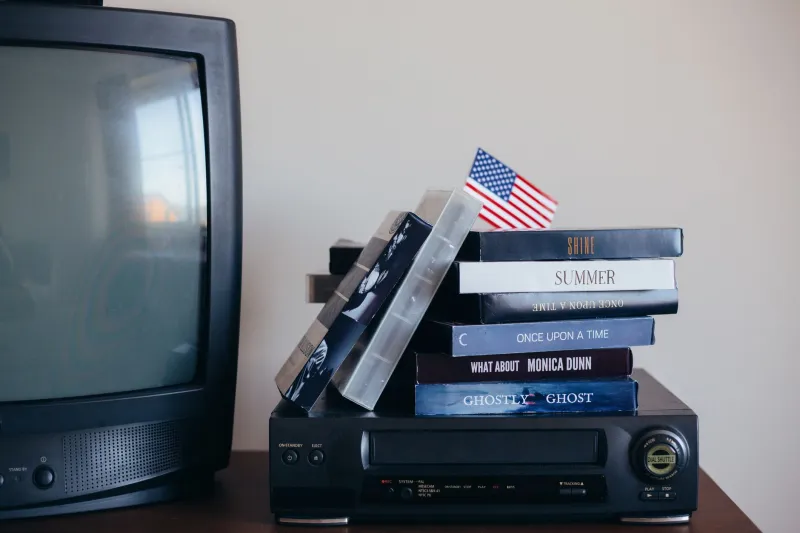
There's a particular sound a VHS tape makes when it resists the machine. A dry, mechanical grumble, followed by that faint hiss — the audio equivalent of dust. If you grew up in America between roughly 1980 and 2005, you know it. It's the sound of somebody's birthday. Somebody's graduation walk. Somebody's first wobbly attempt at riding a bike down a driveway in Ohio or Arizona or suburban New Jersey.
And here's the thing nobody wanted to think about while they were living it: that tape is dying.
The Quiet Emergency in the Attic
Magnetic tape has a shelf life. Depending on storage conditions, VHS and MiniDV cassettes begin degrading meaningfully after 10 to 25 years — oxide particles shed, signal strength fades, and the images get noisier, softer, then gone. Most of the camcorder era is now older than the people in it. The footage your dad shot at Disney World in 1992 has already been sitting in a hot attic longer than you'd been alive at the time he shot it.
That's the math keeping a small but growing network of archivists up at night. Small-town historical societies, library digitization labs, and solo operators with racks of refurbished decks are racing against a clock that doesn't announce itself. Tapes don't warn you before they go. They just... stop being watchable.
"People think of it as nostalgia work," one Midwest digitization specialist told me. "It's not. It's emergency medicine."
Why the Wobble Matters
Here's what makes this footage irreplaceable, and why the polished stuff can't touch it: nobody was performing for the algorithm.
There was no algorithm. There was a shoulder-mounted camcorder, a fresh battery, and maybe a plan. What got recorded was whatever happened — the uncle wandering into frame, the half-second where the camera catches the person behind the birthday party, the long unbroken minute where nothing happens except light through a window.
That nothing is the treasure. Modern content is edited within an inch of its life before it ever reaches your eyes. Home video from the camcorder era is the opposite: uncurated, unfiltered, and honest in a way that only accidental media can be. It documents how Americans actually decorated their living rooms, what they actually ate, how they actually talked to each other when they thought nobody would ever see it again.
Historians of the future will learn more from ten minutes of shaky 1988 Thanksgiving footage than from a thousand carefully staged photographs. The frame tells the truth precisely because nobody thought it mattered.
The Rescuers
The people doing this work aren't glamorous, and that's the point. A retired schoolteacher in rural Kansas who inherited the town's VHS collection of parade footage going back to 1984. A librarian in upstate New York running free transfer days where locals bring in shoeboxes of tapes. Families spending a long weekend converting their grandmother's MiniDV cassettes before the last working camcorder on the shelf gives out.
There's a pattern in these stories: the tapes are almost always found by accident, almost always almost thrown away, and almost always contain something nobody expected. A voice of someone long gone, mid-sentence, unremarkable and therefore priceless. A snapshot of a storefront that's been a parking lot for twenty years. A kid's reaction to a gift, preserved in pixels, now a parent themselves.
Do This Now
If you've got tapes in a box somewhere, the clock is running. A few practical notes:
- Heat and humidity are the enemy. Attics and garages are the worst places tapes could live. Cool, dry, dark — even temporarily — buys time.
- Don't keep rewinding them. Every pass through a machine sheds a little more oxide. Get one good transfer, then retire the original.
- Digitize at the highest quality you can. A cheap converter is better than nothing, but a local transfer service or a library program will usually beat it.
- Label what you find. Future-you, or future-someone-else, won't know what "Beach 2" means. Right now, someone alive still does.
Every Frame Tells a Story — Even the Blurry Ones
We spend a lot of time on this site celebrating images that are composed, deliberate, beautiful. But there's a case to be made that the most honest visual record America has ever produced was shot by amateurs with bad lighting and no plan.
The slow zoom into a birthday cake. The accidental pan that catches a whole era. The hiss underneath it all, like tape breathing.
Save it. Someone fifty years from now will want to see how we lived — and they won't care that it's shaky.